Dispatch planning and shipment tracking
Agree owners, source records, approval points and exception handling for dispatch planning and shipment tracking. Validate the end-to-end workflow with the people responsible before rollout.
Dispatch, shipment visibility and customer updates depend on clean handoffs between warehouse, transport and billing.
Operating context
Rektrs starts with the operating model of your logistics & transport business: teams, locations, existing systems and the records they depend on. Discovery defines what to retain, integrate and improve before choosing a platform.
The engagement can combine digital systems, automation and management-system preparation. Deliverables, responsibilities, data access and applicable sector requirements are agreed for your organization; the following workflows are starting points for scoping.
A scoped roadmap, validated workflows and clear ownership for implementation and support.
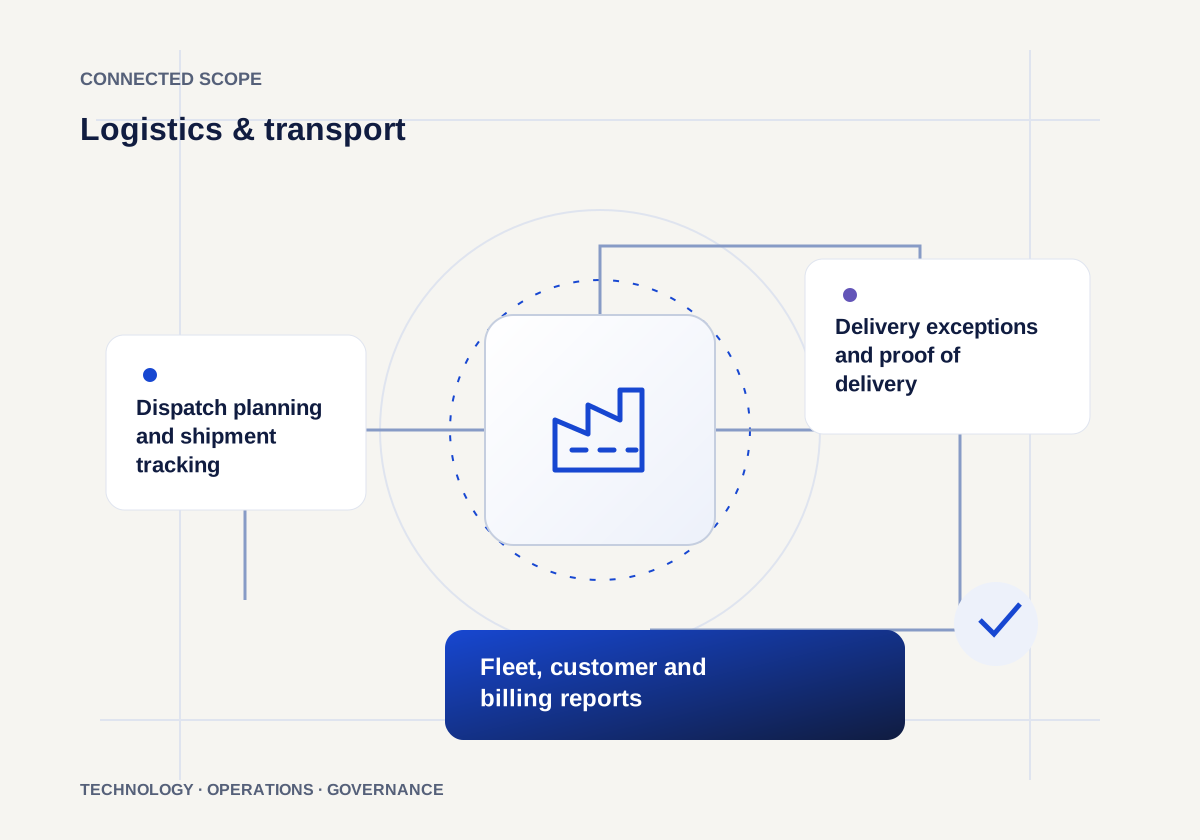
Agree owners, source records, approval points and exception handling for dispatch planning and shipment tracking. Validate the end-to-end workflow with the people responsible before rollout.
Agree owners, source records, approval points and exception handling for delivery exceptions and proof of delivery. Validate the end-to-end workflow with the people responsible before rollout.
Agree owners, source records, approval points and exception handling for fleet, customer and billing reports. Validate the end-to-end workflow with the people responsible before rollout.
Connect CRM-integrated IVR shipment status with transport ERP, driver updates and IoT tracking, using approved customer access and verified shipment records.
Before implementation
We confirm your current systems, locations, process owners and required outputs. The proposal sets milestones, dependencies, acceptance criteria and support responsibilities for the agreed scope.