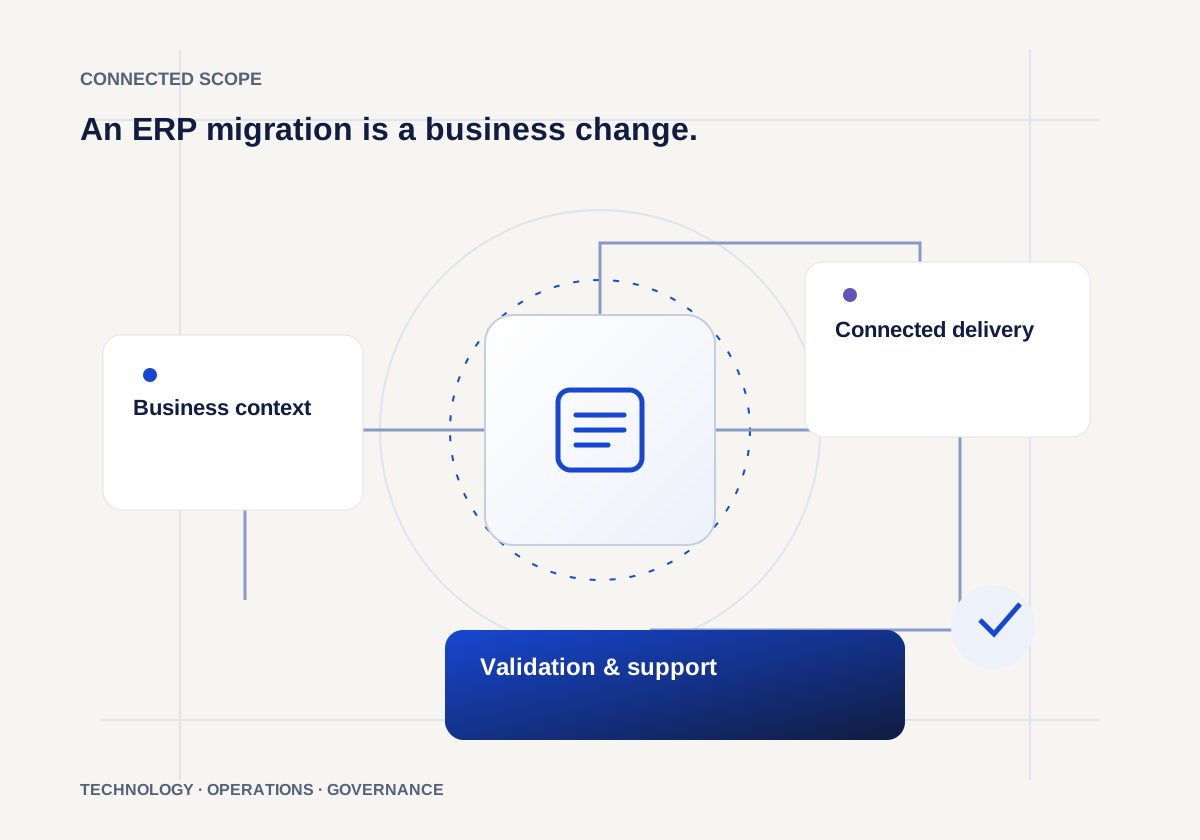
Make the operating model explicit
An ERP project brings together decisions that were previously spread across departments: item codes, approval limits, customer records, stock movements and financial reporting. Implementing software without resolving these decisions can simply move existing inconsistencies into a new interface.
Agree the core processes and owners first. Document the exceptions that genuinely matter. Use a fit-gap assessment to distinguish required capabilities from habits that can improve with the new system.
Treat migration as a controlled process
Identify the source of truth for each record, clean duplicates and agree the fields that must move. Test mappings on representative data and keep a record of issues that need a business decision.
Reconcile balances, quantities and record counts with the responsible teams. Plan a cutover rehearsal, a rollback decision and a clear boundary between historical data and opening records. A successful import is only one part of a successful migration.
Build adoption into the delivery plan
Train people around their tasks rather than a tour of every screen. Purchasing teams need their supplier and approval journey; warehouse teams need receiving, transfers and dispatch. Managers need dependable reports and clear escalation routes.
Use user acceptance testing to confirm the end-to-end process with real roles. After launch, track recurring questions and prioritize improvements through a shared support backlog. Configuration, data and adoption should evolve together.