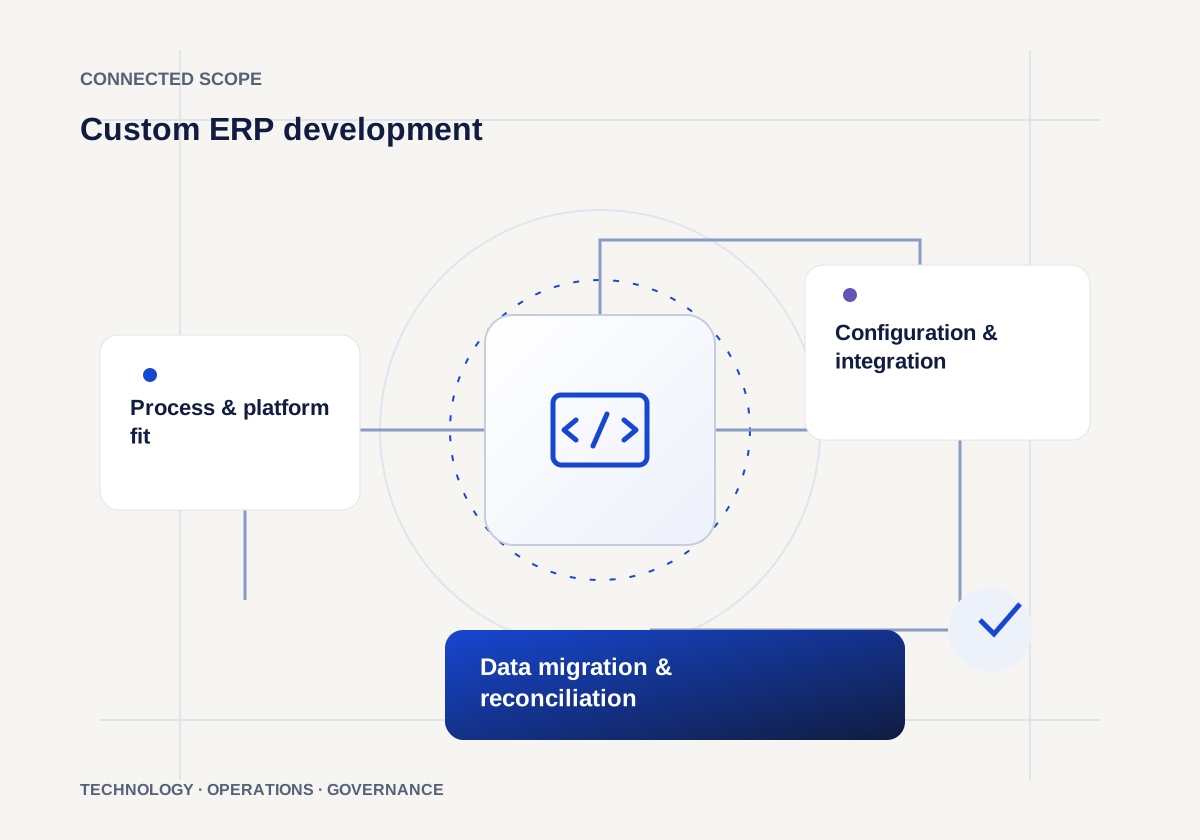
Process & platform fit
Map your approvals, department tasks, reports and the platform capabilities you need.
Multi-company and multi-branch ERP with BI dashboards and secure audit trails.
Operating context
Bespoke modules and integrations where your process requires a tailored operating backbone.
Start with a fit-gap review, data ownership and a representative end-to-end workflow. The scope identifies the applications, modules and integrations appropriate to your organization.
Build a tailored operating system for organizations whose workflows need custom modules and integration. The architecture connects central control with branch-specific access and operational responsibility.
A business-aligned solution with agreed validation evidence and an owned operating model.
Map your approvals, department tasks, reports and the platform capabilities you need.
Configure the agreed modules, role permissions and connections to retained tools.
Map source records, validate representative imports and agree business sign-off.
Rehearse user journeys, train the responsible teams and plan launch support.
Separate organization records while supporting approved consolidated views.
Implement finance, stock, HR, procurement and other agreed business workflows.
Report operational and financial measures with clear data definitions.
Record important changes, approvals and permission boundaries for review.
Plan your engagement
Custom ERP development brings company, branch and department processes into a tailored business platform. Rektrs defines shared records, entity boundaries, approval controls, reporting and integrations before engineering the agreed modules.
Define entity-specific access, transaction ownership, account structures and reporting boundaries. Shared master data and consolidated views need explicit rules rather than unrestricted cross-company access.
Start with a linked transaction cycle such as purchasing, stock and accounting. Agree data sources, approval steps and reconciliation outcomes, then phase additional departments based on dependencies.
Before implementation
We confirm your current systems, locations, process owners and required outputs. The proposal sets milestones, dependencies, acceptance criteria and support responsibilities for the agreed scope.