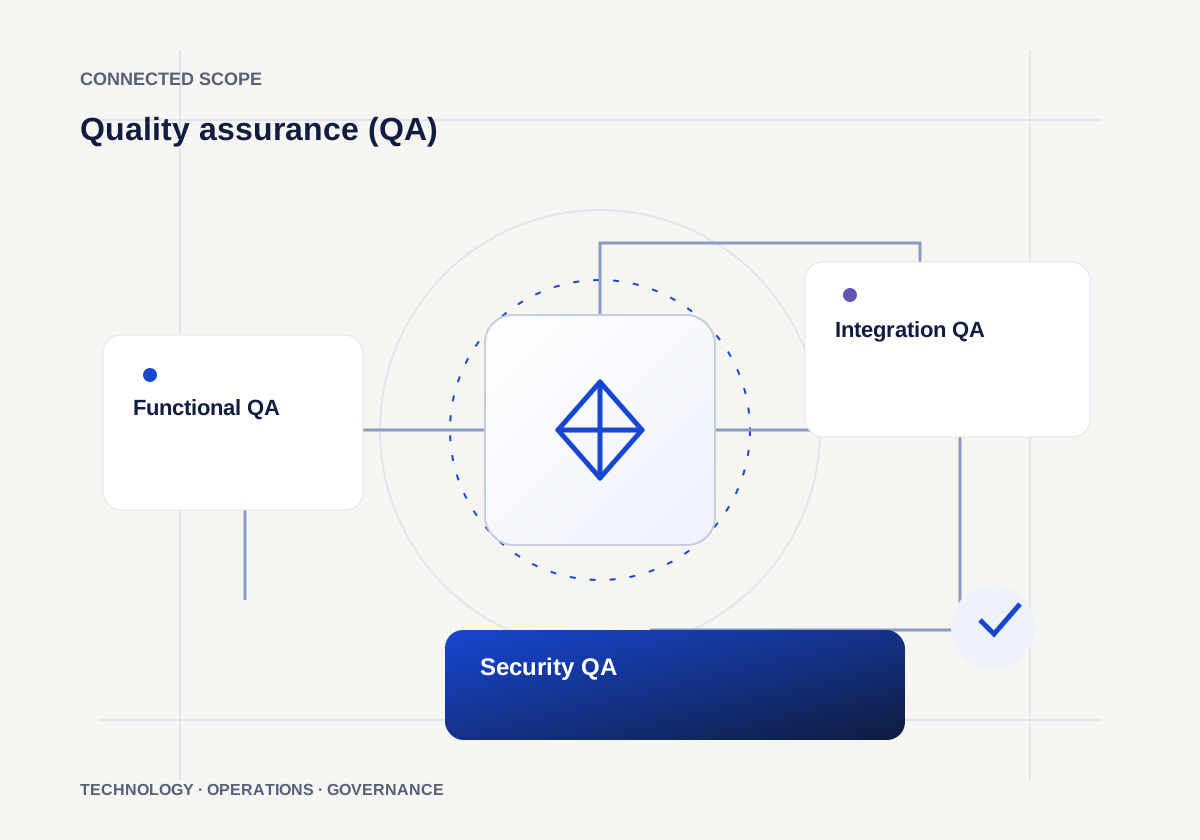
Functional QA
Features work according to approved requirements.
Manual and automated testing, regression, performance, security checks and UAT.
Operating context
Validating functionality, performance, security and business acceptance.
Testing is where the solution is proven before go-live. Rektrs can perform functional testing, regression testing, integration testing, performance review, security checks and user acceptance testing. The objective is to confirm that the system works, users understand it and business rules are correctly reflected.
UAT is especially important because it validates the system against real operational scenarios. Users should test practical workflows, exceptions, approvals and reporting needs.
Verification follows the business scenarios and technical risks of the release. The agreed test plan identifies environments, representative data, release criteria and the owners who accept the result.
A business-aligned solution with agreed validation evidence and an owned operating model.
Features work according to approved requirements.
Systems exchange data correctly.
Access, permissions and exposure risks are reviewed.
Pages, workflows and reports perform acceptably.
Business users confirm the system works for real scenarios.
Prepare scenario-based checks and maintainable automated coverage for important workflows.
Verify retained behavior when modules, APIs or configuration change.
Assess an authorized test environment against agreed traffic and response objectives.
Review agreed application, API and access-control risks within written authorization.
Support user acceptance sessions, issue triage, evidence and business sign-off.
Plan your engagement
Software quality assurance checks that approved workflows, interfaces and permissions behave as intended. Rektrs scopes manual and automated testing, regression, performance checks, security review and user acceptance around the risks of each release.
Prioritize critical user journeys, data changes, integrations and failure states. Agree test environments, representative datasets, pass criteria and defect ownership before execution.
Designated business users validate real scenarios against agreed criteria. QA supplies evidence and tracks defects; the responsible product or business owner signs off acceptance and any remaining limitations.
Before implementation
We confirm your current systems, locations, process owners and required outputs. The proposal sets milestones, dependencies, acceptance criteria and support responsibilities for the agreed scope.